
Many of you know that I recently accepted a Clinical Dietitian position. It’s an exciting move, although I’m certain my heart will always be geared toward community nutrition. With that being said, I believe there is a lot of overlap between community and clinical applications of nutrition therapy.
There are many common medications that consumers regularly take that have a significant impact on their nutrition! Thankfully, there are dietary guidelines that can help to minimize possible side effects.
Prednisone is one of those extremely common medications I see prescribed to patients and consumers. You may prescribed prednisone for the treatment of ulcerative colitis or Crohn’s disease, which is common. In short, prednisone is an anti-inflammatory medication that has some potential side effects that relate to the food we eat.
But don’t feel like there’s nothing you can do! I believe that no matter what your circumstances or diagnosis are, there is an achievable balance between utilizing medications and food to allow you the best quality of life. So let’s get started and break down the dietary guidelines for those taking prednisone!
Sodium and Fluid Retention
Have you ever experienced puffiness around your ankles? wrists and hands? elsewhere? Prednisone has the ability to cause sodium (salt) and fluid retention, which can present as “puffiness” in these areas. Sodium and fluid retention can raise your blood pressure and contribute to swelling/puffiness. Excessive sodium intake (>2,000 mg) should be avoided (*beware – manufactures include sodium in shelf-stable products as a preservative but it still contributes to your sodium intake). Typical salty foods include potato ships, soup, pasta sauce, canned goods, pickles, sauerkraut, bacon, crackers, etc. (Note: if you have a colostomy or ileostomy, restricting salt is not recommended unless otherwise indicated by your physician)
Protein Breakdown
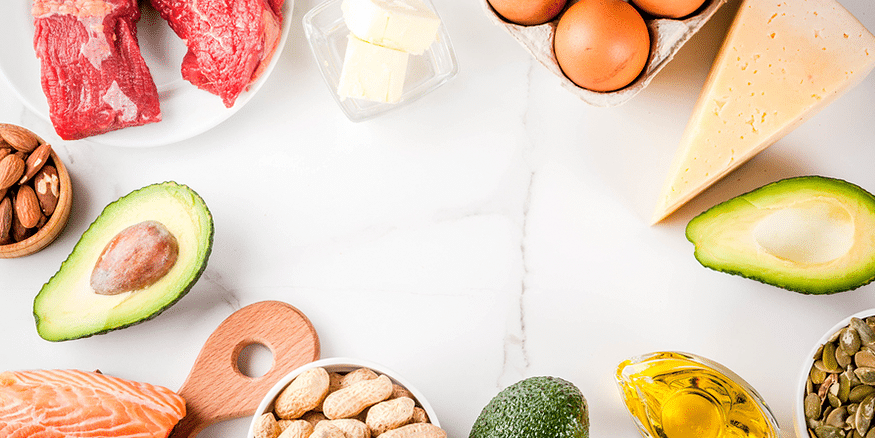
Adequate protein is necessary to help your body repair cells and make new cells all throughout the body; and it is important in growth, development, and wound healing. Protein is also used to make hormones and enzymes necessary for normal functioning. A common side effect of taking prednisone is protein losses and breakdown within the body. Therefore, a high protein diet while on prednisone is beneficial. Addition protein loss may also occur during active Crohn’s or ulcerative colitis. Choose lean sources of protein from foods such as meat, poultry, fish, eggs, and cheese.
Calcium Absorption
Often times, medications compete for absorption with nutrients. In the case of prednisone, it decreases the absorption of calcium within the body. It is recommended that people taking prednisone consume 1000 – 1500 mg of calcium per day to make up for decreased absorption (normal recommendation for 19 – 50 year olds is 1000 mg daily and 1000 – 1200 mg daily for 51 – 70 year olds). Common food source with high calcium content include the following in descending order: cow milk, cottage cheese, cheese, yogurt, salmon, broccoli.
If you are lactose intolerance or for other reasons are unable to obtain adequate dietary source of calcium, a calcium supplement may be useful. Consult your physician before starting a calcium supplement.
Cholesterol and Lipid Levels
You blood cholesterol can become elevated while on Prednisone. Remember that your dietary cholesterol (the cholesterol you consume) doesn’t have as big of an impact on your blood cholesterol as dietary fat (saturated fat and unsaturated fat) does. If your physician notes a rise in your blood cholesterol, you may need to limit the saturated (animal and some plant – especially coconut) fat in your diet. A great place to start is by choosing lower fat dairy products (i.e. 2% or less) and limiting added fats (i.e. margarine, butter, sauces/gravies) can help lower your cholesterol if it becomes elevated.
Blood Sugar
It is common for prednisone to cause an increase in blood sugar levels. Limiting sugar intake is helpful in maintaining a suitable blood sugar level. Think of your blood becoming sticky like syrup if your blood sugars are quite elevated. Talk to your physician to determine if your blood sugar is elevated to the level of needing to be monitored.
Conclusion
If you are taking prednisone, you will especially benefit from a high protein diet that includes sources of calcium. If you have concerns about fluid retention, blood sugar, and cholesterol levels, contact your physician to determine if these need to be monitored. And, of course, feel free to contact me with any questions or comments!
 tabletalk.blog